How to Avoid Fraud in International Commodity Trading
SHORT ANSWER
Most commodity trading fraud follows recognisable patterns: prices far below market, requests for upfront fees, unverifiable documents, long broker chains and pressure to skip independent inspection. Buyers and sellers can protect themselves by verifying counterparties directly, using bank-to-bank payment instruments, insisting on independent inspection, and never paying fees to personal accounts.
Key takeaways
- If the price is far below published benchmarks, assume fraud until proven otherwise.
- Legitimate suppliers do not require upfront 'processing', 'dip test' or 'registration' fees to personal accounts.
- Verify companies, tanks, warehouses and bank instruments directly, not through contacts supplied by the seller.
- Insist on an independent inspector of your choice (SGS, Intertek, Bureau Veritas).
- Elite Petro only communicates through @elitepetrofacilitation.com emails and +92 302 7740078.
Why commodity trading attracts fraud
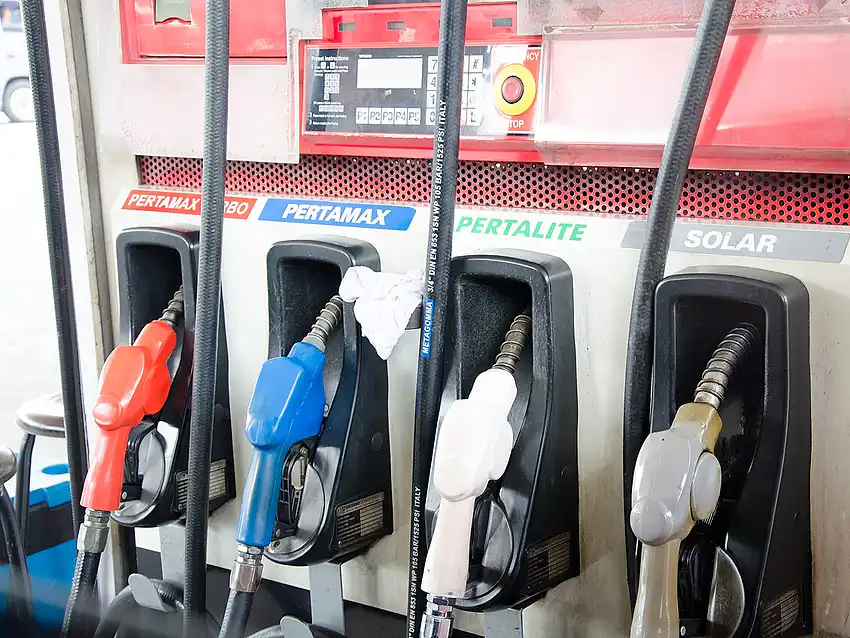
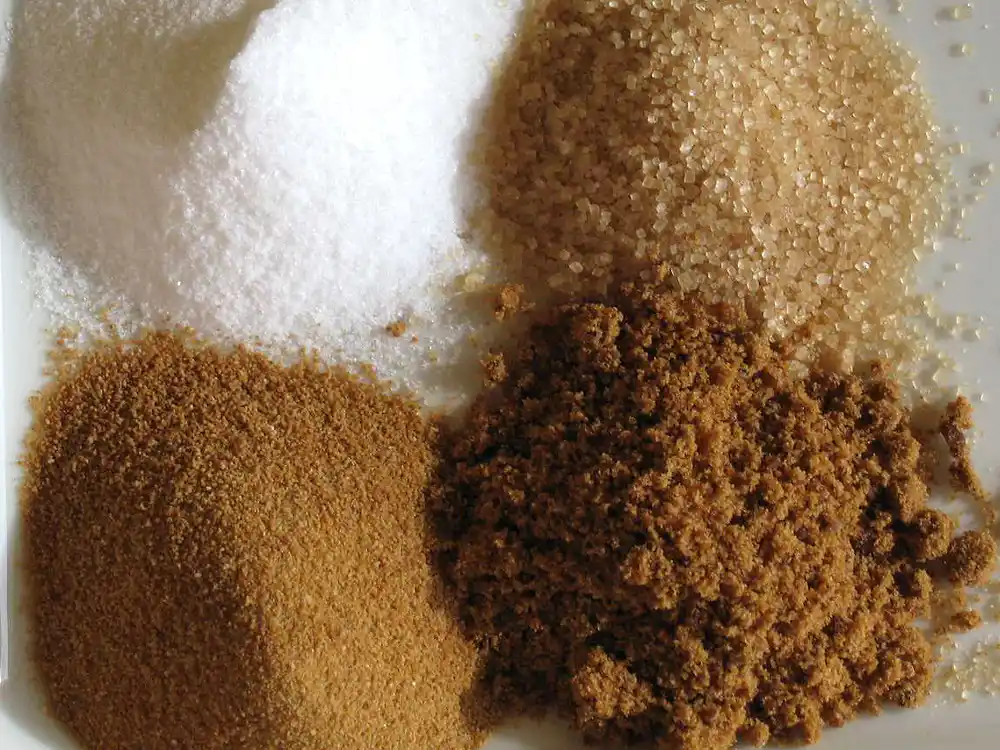
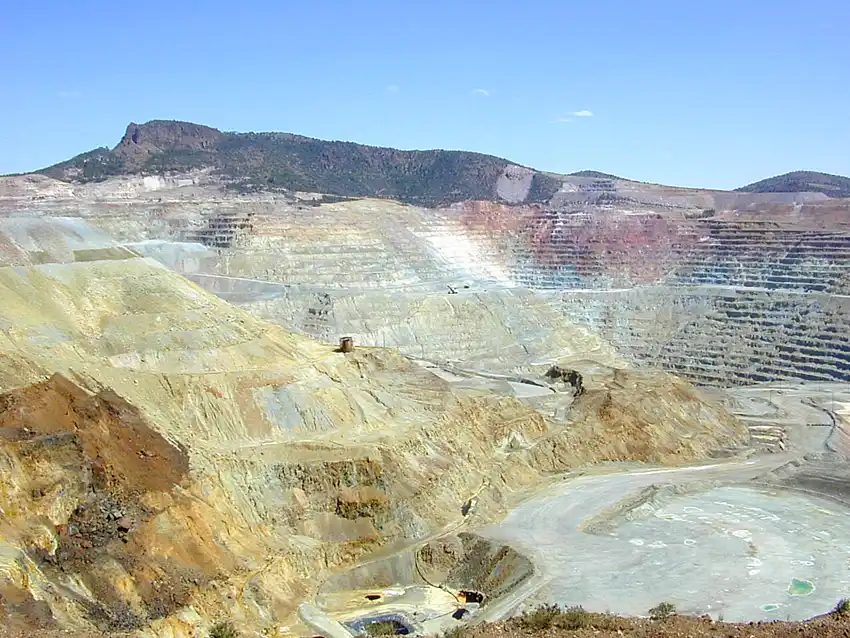
International commodity trade involves large sums, cross-border counterparties, complex documents and long supply chains. Fraudsters exploit this complexity, especially in products with familiar names and high values such as EN590 diesel, Jet A-1, JP54, ICUMSA 45 sugar, copper cathode and gold. Buyers in emerging markets and first-time importers are frequent targets, but experienced traders are also deceived.
The good news: most frauds follow predictable patterns. Knowing them is the first line of defence.
The most common fraud schemes
1. The "too good to be true" offer
A seller offers a product at a large discount to market, for example "EN590 at Platts minus $25 per tonne" or "copper cathode 25 % below LME". Real producers and traders sell close to benchmarks; large discounts usually mean there is no product.
2. Advance-fee scams
The buyer is asked to pay a fee before receiving anything: "document legalisation", "tank storage", "dip test", "injection", "insurance bond", "NCNDA registration" or "port charges". Once paid, the seller disappears or invents further fees.
3. Fake documents
Fraudsters circulate forged tank storage receipts, SGS reports, bills of lading, Proof of Product (POP) packages, bank comfort letters and even fake government licences. These can look highly professional.
4. Impersonation
Scammers create look-alike email domains or websites, or use a real company's name and logo, to impersonate established refineries, traders, or companies like ours.
5. Endless broker chains
A "mandate" claims to represent a seller through several layers of intermediaries, none of whom can show direct authority. Procedures change constantly and the buyer is asked for more and more documents, proof of funds and fees.
6. Bank instrument fraud
Fake or non-operative standby letters of credit, MT799/MT760 "pre-advices" that are not genuine, or requests to "lease" bank guarantees are common in fraudulent deals.
Red flags checklist
| Red flag | Why it matters |
|---|---|
| Price far below published benchmarks | Real supply is priced near market |
| Upfront fees requested | Genuine sellers do not charge buyers to access product |
| Payment to personal or third-country accounts | Legitimate companies use corporate accounts in their own name |
| Free email addresses (Gmail, Yahoo) for "refineries" | Real refineries use corporate domains |
| Seller dictates the inspector and refuses others | Independent inspection protects both sides |
| Documents can't be verified with the issuer | Forgeries are common |
| Pressure to act "today" | Urgency prevents due diligence |
| Huge volumes from unknown sellers | e.g. "500,000 MT monthly × 12 months" |
| Procedures that change after you agree | Typical of broker-chain scams |
How to verify a counterparty
- Company registration: Check the official company registry in the seller's country. Confirm directors and beneficial owners.
- Independent contact details: Find the company's phone and email through official sources (registry, official website you located yourself), not from the offer documents. Call to confirm the offer.
- Trade references: Ask for references you can independently verify, such as banks, shipping lines and inspection companies.
- Product verification: For petroleum stored in tanks, contact the terminal directly (using contacts you found yourself) to confirm the seller holds product. Terminals will not confirm anything to unknown third parties without authorisation, but genuine sellers can arrange verification.
- Sanctions screening: Screen the company and individuals against UN, OFAC, EU and UK sanctions lists.
- Document checks: Verify inspection certificates directly with the inspection company's local office; verify bills of lading with the shipping line.
How to structure a safe transaction
- Use bank-to-bank instruments: an irrevocable documentary letter of credit (UCP 600) or documentary collection through reputable banks. Payment is released against compliant shipping and inspection documents.
- Independent inspection: Quality and quantity certified at the load port by SGS, Intertek, Bureau Veritas or similar, ideally nominated by the buyer or jointly.
- Clear contract: Specifications, test methods, tolerances, Incoterm (see our Incoterms guide), laytime, claims and dispute resolution.
- Start small: A trial shipment builds trust before term contracts.
- Keep communications on record: Use corporate email, not only messaging apps.
What Elite Petro will never do
To protect our clients and partners from impersonation:
- We never ask for upfront fees of any kind to personal accounts.
- We only communicate through @elitepetrofacilitation.com email addresses and our official number +92 302 7740078.
- Our offers are issued on official letterhead with a reference number in the format EPTF/YYYY/XXXX, which you can verify by contacting us directly.
- Bank details for any transaction are always in the company's name and confirmed by phone through our official number before payment.
If you receive a suspicious message claiming to be from Elite Petro, please report it immediately to info@elitepetrofacilitation.com. See our full Anti-Fraud Notice.
If you think you have been targeted
- Stop all payments and communications with the suspicious party.
- Preserve all emails, documents and payment records.
- Contact your bank immediately: recalls are sometimes possible if you act fast.
- Report to local law enforcement and, where relevant, to the impersonated company.
- Report fraudulent websites and email domains to the hosting provider and domain registrar.
Summary
Fraud in commodity trading is common but avoidable. Treat below-market prices and upfront fees as warning signs, verify every counterparty and document independently, insist on independent inspection, and use bank-to-bank payment instruments. Genuine counterparties welcome this diligence, fraudsters avoid it.
Have a question about an offer you received? Contact our team. We are glad to help.
About the author: The Elite Petro Trading Desk (Compliance Team) at Elite Petro Trading & Facilitation works daily with buyers, suppliers, inspectors and banks across the energy, agriculture and metals markets. This article is general information, not legal or financial advice; always confirm specifications and regulations for your transaction.