Complete Guide to Importing Basmati Rice from Pakistan
SHORT ANSWER
Pakistan is one of the world's two Basmati origins, exporting mainly 1121 extra-long grain and Super Kernel Basmati in Sella (parboiled), Steam and White forms. To import successfully, buyers should specify variety, processing type, grain length, broken percentage and moisture, require independent inspection, and ensure the phytosanitary, origin and residue documents match their country's rules.
Key takeaways
- Main Pakistani Basmati varieties: 1121 (avg ~8.3 mm raw) and Super Kernel (~7.0–7.5 mm raw).
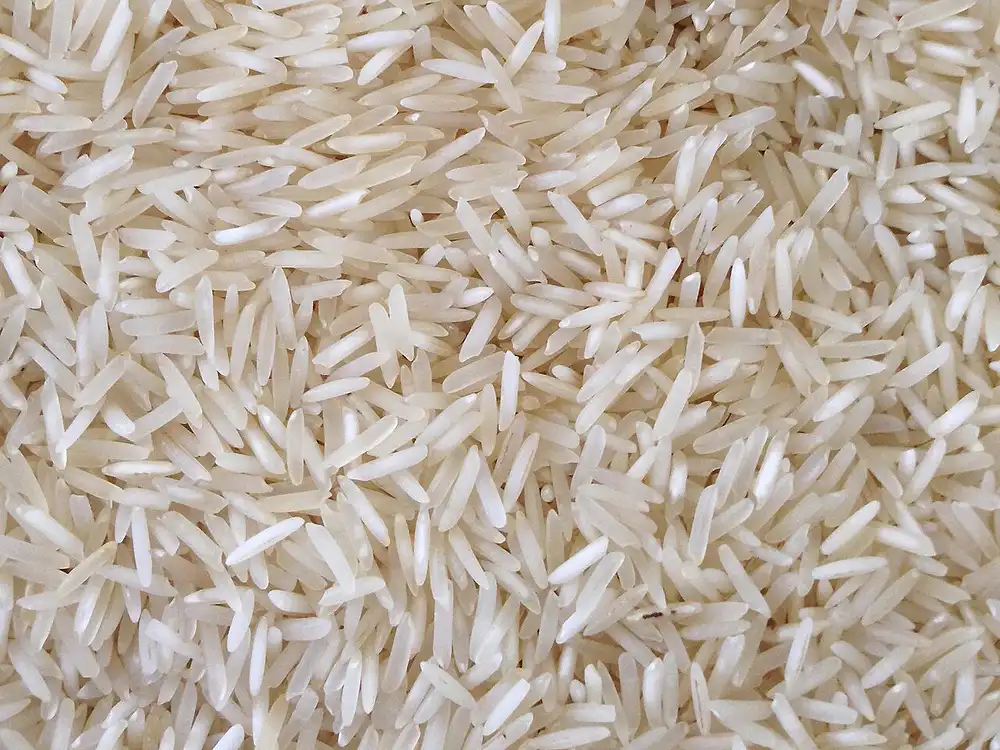
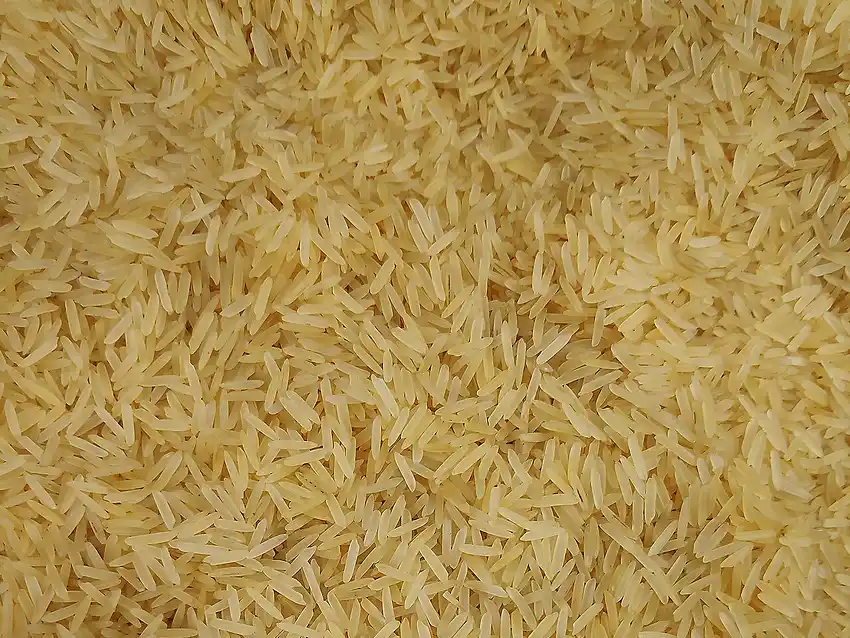
- Sella = parboiled (golden or white); Steam = lightly steamed; White/Raw = no heat treatment.
- Write length, broken %, moisture, chalky and damaged limits into the contract.
- EU, UK and US buyers must check pesticide residue (MRL) compliance with lab reports.
- A 20 ft container typically carries about 25 MT of rice in bags.
Why Pakistani Basmati?
Basmati is a long-grain aromatic rice traditionally grown in the Indo-Gangetic plains. Pakistan's Basmati belt, centred in Punjab around Gujranwala, Sialkot, Sheikhupura and Hafizabad, produces rice prized for aroma, elongation and fluffy, separate grains after cooking. Pakistani Basmati is exported to the Gulf, the UK and EU, East Africa, North America and beyond, and Pakistan has registered Basmati as a geographical indication (GI) to protect the origin.
The main Pakistani Basmati varieties
1121 Basmati
1121 is known for extra-long grains: around 8.3–8.4 mm raw, elongating to roughly 20 mm or more when cooked. It is the most traded Basmati variety in the Middle East for biryani and catering.
Super Kernel Basmati
Super Kernel is a traditional Pakistani variety with an average raw length of about 7.0–7.5 mm. Many consumers consider it more aromatic and flavourful than 1121, and it is popular in Pakistan, the UK and premium retail markets.
Other varieties
PK-386 (a non-Basmati long grain), IRRI-6 and IRRI-9 are non-aromatic long grains used for staple-food markets at lower prices. See our non-Basmati IRRI rice page.
Processing types: Sella, Steam and White
| Type | How it is made | Appearance & cooking |
|---|---|---|
| Golden Sella | Paddy soaked, steamed and dried before milling (parboiled) | Golden colour, very firm, non-sticky, ideal for catering |
| White Sella (Creamy Sella) | Parboiled with lighter treatment | Creamy-white, firm, good for biryani |
| Steam | Milled rice steamed briefly and dried | White, aromatic, good elongation |
| White / Raw | Milled without heat treatment | Most aromatic, softer texture |
Catering and HORECA buyers often prefer Sella because it tolerates long holding times. Retail consumers in South Asian communities often choose Steam or Raw for aroma.
Specifications to write into your contract
Don't just order "1121 Sella". Define measurable parameters:
| Parameter | Typical export specification (1121) |
|---|---|
| Average grain length (raw) | 8.30 – 8.40 mm |
| Moisture | max 12.5 – 13 % |
| Broken grains | max 1 – 2 % |
| Damaged / discoloured | max 0.5 – 1 % |
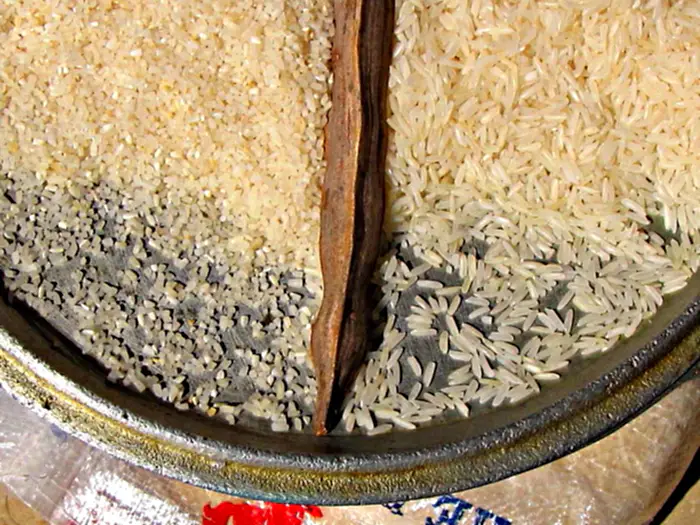
| Chalky grains | max 2 % |
| Purity (no admixture of other varieties) | min 95 % |
| Foreign matter | max 0.1 % |
| Cleaning | 100 % Sortex, double polished |
Also specify the crop year (new crop rice has different cooking behaviour from aged rice; many buyers prefer rice aged 6–12 months), and whether you want aged rice.
Packaging options
Pakistani exporters offer a wide range of packaging:
- 25 kg and 50 kg PP woven bags (most common for wholesale);
- 5 kg and 10 kg non-woven or BOPP printed bags;
- 1 kg, 2 kg and 5 kg retail packs under the buyer's private label;
- jute bags for premium presentation.
A 20 ft container typically loads about 25–26 MT of rice in bags. Private-label packing requires artwork approval and usually a minimum quantity per design.
Documents you will need
A typical Basmati shipment from Pakistan includes:
- Commercial invoice and packing list;
- Bill of lading;
- Certificate of origin (Chamber of Commerce or under trade agreements where applicable);
- Phytosanitary certificate from Pakistan's Department of Plant Protection;
- Fumigation certificate;
- Quality and weight certificate from an independent inspector (e.g. SGS);
- Where required: health certificate, halal certificate, non-GMO declaration, and laboratory residue report.
Food-safety and residue limits
The EU, UK, USA and some Gulf countries set maximum residue limits (MRLs) for pesticides. The EU, for example, has a very low limit for tricyclazole, a fungicide historically used in rice cultivation. Buyers for these markets should require a pre-shipment laboratory report from an accredited lab, tested on the actual lot being shipped. Aflatoxin and heavy-metal testing may also be required.
Shipping and Incoterms
Most Basmati is shipped in containers from Karachi Port or Port Qasim. Common Incoterms are:
- FOB Karachi: buyer arranges freight and insurance;
- CFR / CIF destination port: seller arranges freight (and insurance for CIF).
Transit time to Gulf ports is typically around one week; to Europe or East Africa around three to five weeks depending on routing. Learn more in our Incoterms guide.
Payment terms
Common structures include a documentary letter of credit (LC) at sight, cash against documents (CAD) through banks, or an advance payment with balance against copy documents for established relationships. For first transactions, an LC provides balanced protection for both parties.
Quality checks on arrival
When the container arrives, check:
- bag condition and markings;
- grain length using a calibrated grain gauge on a random sample;
- broken percentage and colour;
- odour (no mustiness) and insect activity;
- cooking test: elongation, aroma, texture.
Keep samples from the load port to compare.
Step-by-step: importing your first container
- Confirm your country's import requirements (licences, standards, labelling).
- Send an inquiry with variety, processing, packaging, quantity and destination.
- Approve a sample (courier) and agree the specification sheet.
- Sign the contract and open the payment instrument.
- Production, packing and independent inspection at loading.
- Shipment and document presentation.
- Customs clearance, inspection on arrival and distribution.
Summary
Importing Pakistani Basmati is straightforward when the specification is precise. Choose the right variety (1121 or Super Kernel) and processing type, define measurable quality limits, confirm residue compliance for your market, and use independent inspection and secure payment terms.
About the author: The Elite Petro Trading Desk (Agriculture Division) at Elite Petro Trading & Facilitation works daily with buyers, suppliers, inspectors and banks across the energy, agriculture and metals markets. This article is general information, not legal or financial advice; always confirm specifications and regulations for your transaction.